Category Archives: Illinois

Cool down at these Great River Road waterparks

Monday, August 10, 2026

Beat the heat this summer with waterslides, lazy rivers, and other aquatic attractions. You’ll find fun, family-friendly waterparks along the Great River Road in several states—here are three you shouldn’t miss.

Cascade Bay, Eagan

A short drive from other attractions like the Mall of America and Historic Fort Snelling in Minnesota’s Twin Cities region, Cascade Bay is home to seven waterslides, a lazy river, a zero-depth entry pool, and even a mini golf facility for added fun.

Raging Rivers WaterPark, Grafton

A fun family waterpark with amazing views of the Mississippi River, Raging Rivers is located just off the Great River Road near Grafton in southwestern Illinois, about an hour’s drive from St. Louis. The park features the Mississippi Monster tube slide, an endless river, swirl pools, cascade body flumes, and more.

Cool Zoo Waterpark, New Orleans

This waterpark, located in the Audubon Zoo in New Orleans, is open from May through Labor Day (weekends only in May until Memorial Day and early August until Labor Day) and features a lazy river, a waterslide, interactive splash zones, and sandy beaches. It’s a great place to explore before or after you visit the zoo.

Photo Credit: Great Rivers & Routes of Southwest Illinois

Vote for the Great River Road as America’s best scenic drive

Monday, April 06, 2026

We’re excited to announce that we’ve once again been nominated as America’s Best Scenic Drive in the USA Today 10Best Readers’ Choice Awards!

Voting runs through 11am CT Monday, May 4, so show your support for the Great River Road by registering and voting here (you can vote once a day during the voting period).

The top 10 winners will be announced on Wednesday, May 13.

Want to learn more about what makes the Great River Road so special? Check out these articles:

Be sure to follow us on Facebook and Instagram for more Great River Road scenery.

(Photo: Latsch State Park, Minnesota/Susie Loechler)

Don’t miss these river towns and cities on the northern Great River Road

Monday, February 09, 2026

Whether you’re traveling to the headwaters of the Mississippi River or exploring charming towns farther south along the route, there are lots of great places to visit on the northern Great River Road. Here’s where to stop in Minnesota, Wisconsin, Illinois, Iowa, and Missouri.

Learn more about the northern Great River Road here.

Bemidji, Minnesota

Bemidji is known as “the first city on the Mississippi,” but oddly enough it lies north of the river’s headwaters in Lake Itasca in northern Minnesota—that’s because the Mississippi River briefly flows north changing direction and heading on its 2,400-mile journey to the Gulf. Outdoors lovers will find plenty to explore in Bemidji, including more than 400 lakes, the Mississippi River, and hundreds of miles of trails for hiking, biking, and winter sports. Don’t forget to snap a photo with Paul Bunyan and Babe the Blue Ox on the shores of Lake Bemidji!

Find more Bemidji visitor information.

Stockholm, Wisconsin

This tiny village—there are less than full-time 100 residents here—embraces its Swedish heritage and has attracted artists and crafters throughout the years, making it a great place to discover local and regional art and handcrafted goods. Stockholm sits on the shores of Lake Pepin toward the northern end of Wisconsin’s Great River Road, making it a great spot to get on the Mississippi River and its backwaters, and it’s also home to the Stockholm Pie Company, which was named the Best Pie Shop in America by USA Today.

Find more Stockholm visitor information.

Quad Cities, Iowa & Illinois

There are actually more than four cities in the Quad Cities (the major ones are Davenport and Bettendorf on the Iowa side of the Mississippi River and Moline, East Moline, and Rock Island on the Illinois side), but that just means there’s more to explore throughout the entire region. Top attractions include the John Deere Pavilion in Moline, where visitors can learn about the agricultural giant, the Figge Art Museum in Davenport, and the Rock Island Arsenal.

Find more Quad Cities visitor information.

Ste. Genevieve, Missouri

It’s a great year to explore America’s history, and what better place to start than a city that dates back nearly three centuries? Located about an hour’s drive south of St. Louis, Ste. Genevieve was founded sometime before 1750 Ste. Genevieve (located in southeastern Missouri about an hour’s drive south of St. Louis) obviously has a rich history and visitors can enjoy unique sites like the Ste. Genevieve National Historical Park, which preserves the area’s French History, as well as several state historic sites.

Find more Ste. Genevieve visitor information.

(Photo: John Deere Pavilion in Moline, Illinois/Illinois Office of Tourism)

Museums to visit on the northern Great River Road

Monday, December 22, 2025

If you’re following the Mississippi River through the northern states of the Great River Road—Minnesota, Wisconsin, Iowa, Illinois, and Missouri—you’ll find lots of engaging museums that share the history of the river and its people. Here are a few to check out on your next trip.

Find more Great River Road Interpretive Centers here.

Jacob V. Brower Visitor Center at Itasca State Park, Minnesota

Itasca State Park is not only Minnesota’s oldest state park, it’s also the home to the headwaters of the Mississippi River, which flows out of Lake Itasca on the river’s 2,500-mile journey to the Gulf. Named for the “Father of Itasca State Park,” the Jacob V. Brower Visitor Center educates park visitors about the history of the park, its environment (including plants, trees, and wildlife), and recreational opportunities at the park.

Potosi Brewing Company, Wisconsin

The Potosi Brewing Company was founded in 1852 in southwestern Wisconsin—just about a mile from the Mississippi River—and brewed tasty ales and lagers for more than century before closing shop in the 1970s. The brewery was re-founded on its original site in 2008, and the site is now home to the award-winning Potosi Brewery, the Transportation Museum (which shares the history of how Potosi’s tasty drinks were delivered by wagons, steamboats, railroads, and cars), and the National Brewery Museum (which showcases a large collection of beer bottles, cans, glasses, advertising materials, and other collectibles).

National Great Rivers Museum, Illinois

Located next to the Melvin Price Locks & Dam (of the largest locks and dam on the Mississippi River), the National Great Rivers Museum in Alton tells the full story of America’s most famous river with interactive exhibits, highlighting the Mississippi’s natural environment, how people have interacted with the river through the centuries, and the impact the river has had on the history of the country. Visitors can also explore the Melvin Price Locks & Dam—free tours are open to the public at 10am, 1pm, and 3pm daily.

National Mississippi River Museum & Aquarium, Iowa

This Smithsonian-affiliated museum and aquarium in Dubuque in northeastern Iowa is home to more than 200 species of animals, including ducks, turtles, river otters, an alligator, and dozens of species of fish. The 14-acre site also includes a 19th-century belt-driven machine shop, the William M. Black dredge boat, artifacts from indigenous civilizations, and a large-format 4-D theater.

Mark Twain Boyhood Home & Museum, Missouri

See the town that inspired America’s most famous author. The Mark Twain Boyhood Home & Museum is in Hannibal in northeastern Missouri, about two hours north of St. Louis, and boasts an impressive collection of exhibits, including original Norman Rockwell paintings, family artifacts, and Twain memorabilia. The tour includes two museums and five historic properties, including the Mark Twain Boyhood Home, which is a National Historic Landmark.

(Photo: Mark Twain Boyhood Home in Hannibal, Missouri/Doug Black)

Congratulations to our Great River Road Photo Contest winner!

Friday, October 10, 2025

Our fans sent in some amazing photos for our recent Drive the Great River Road Month Photo Contest—scroll down to see the impressive work of our finalists and our grand-prize winner.

Grand-prize winner: Henry Matthiessen III


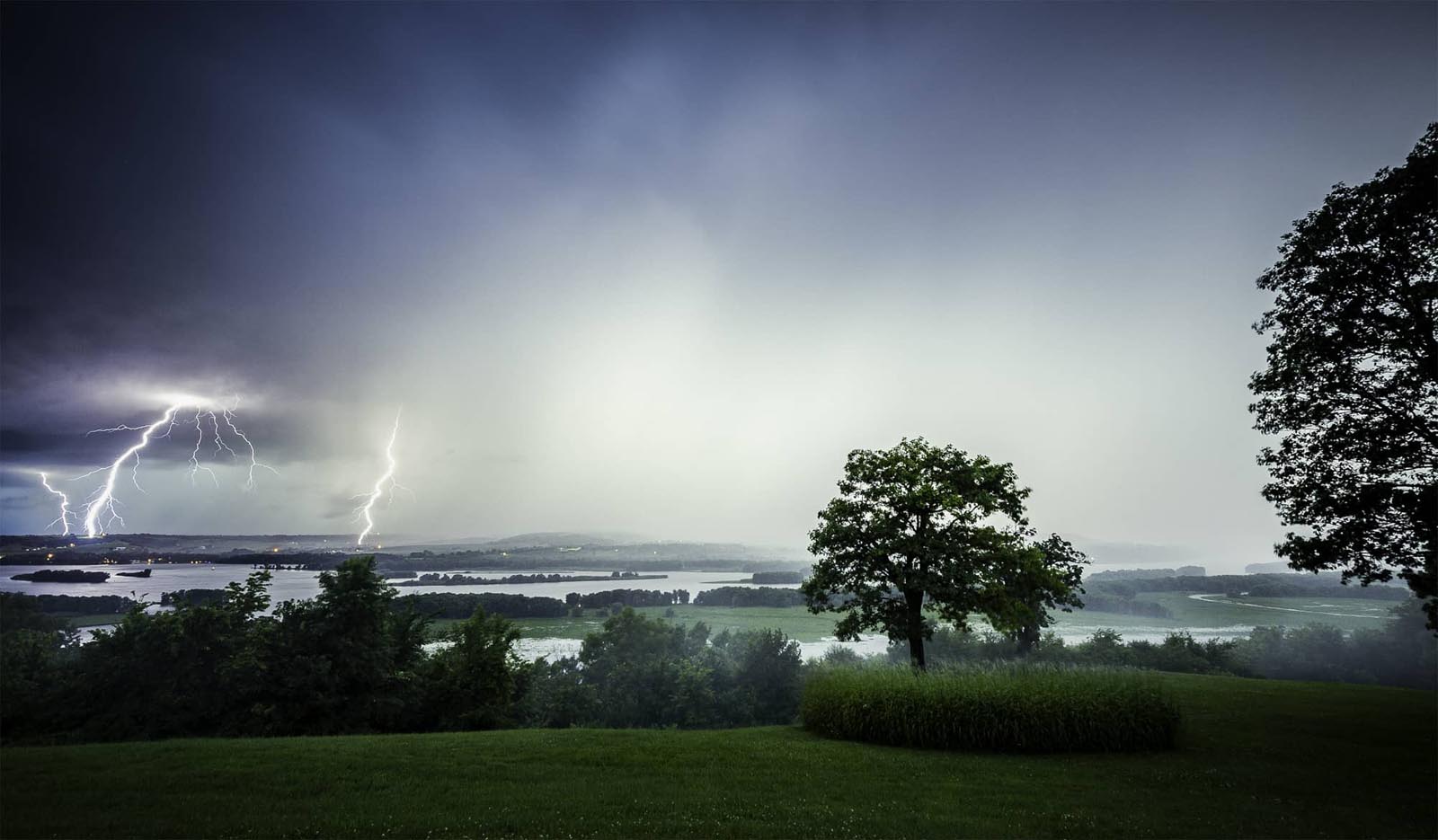
This stunning photo—taken at Chestnut Mountain Resort in Galena in northwestern Illinois—captures a storm passing over the Mississippi River.

Finalist: Brad Taylor


Brad Taylor captures the scene at the Yellow River State Forest, a beautiful spot for hiking, camping, and more in Iowa’s Driftless Region near Harpers Ferry.

Finalist: Dennis Macdonald


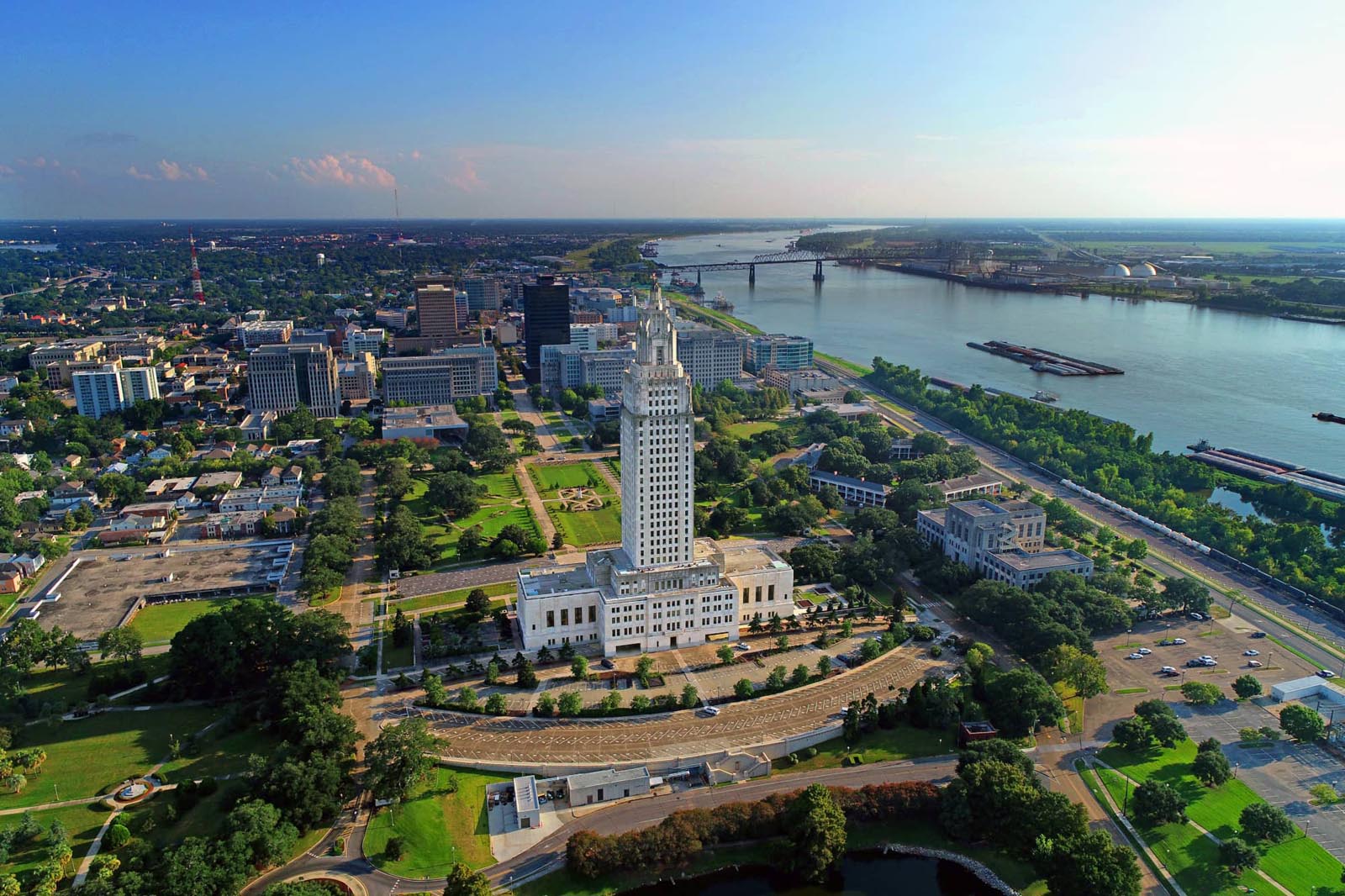
Dennis Macdonald’s impressive drone photo takes a bird’s eye look at the Louisiana State Capitol in Baton Rouge (fun fact: it’s the tallest Capitol building in the nation).

Finalist: Jeff Winkler


Jeff Winkler’s awe-inspiring panorama highlights Brady’s Bluff, an iconic natural attraction at Perrot State Park near Trempealeau along the Wisconsin Great River Road.

Finalist: Susie Loechler


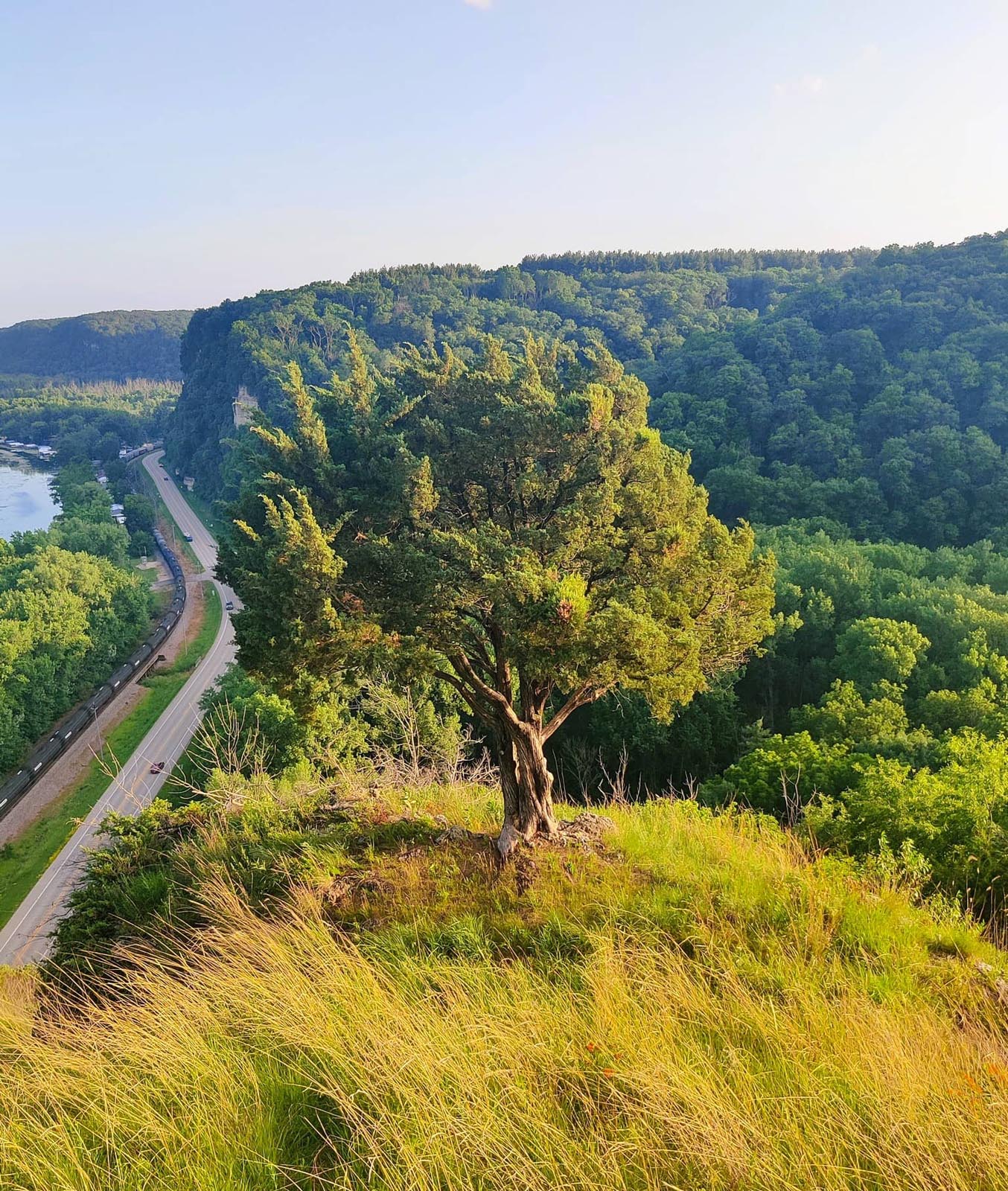
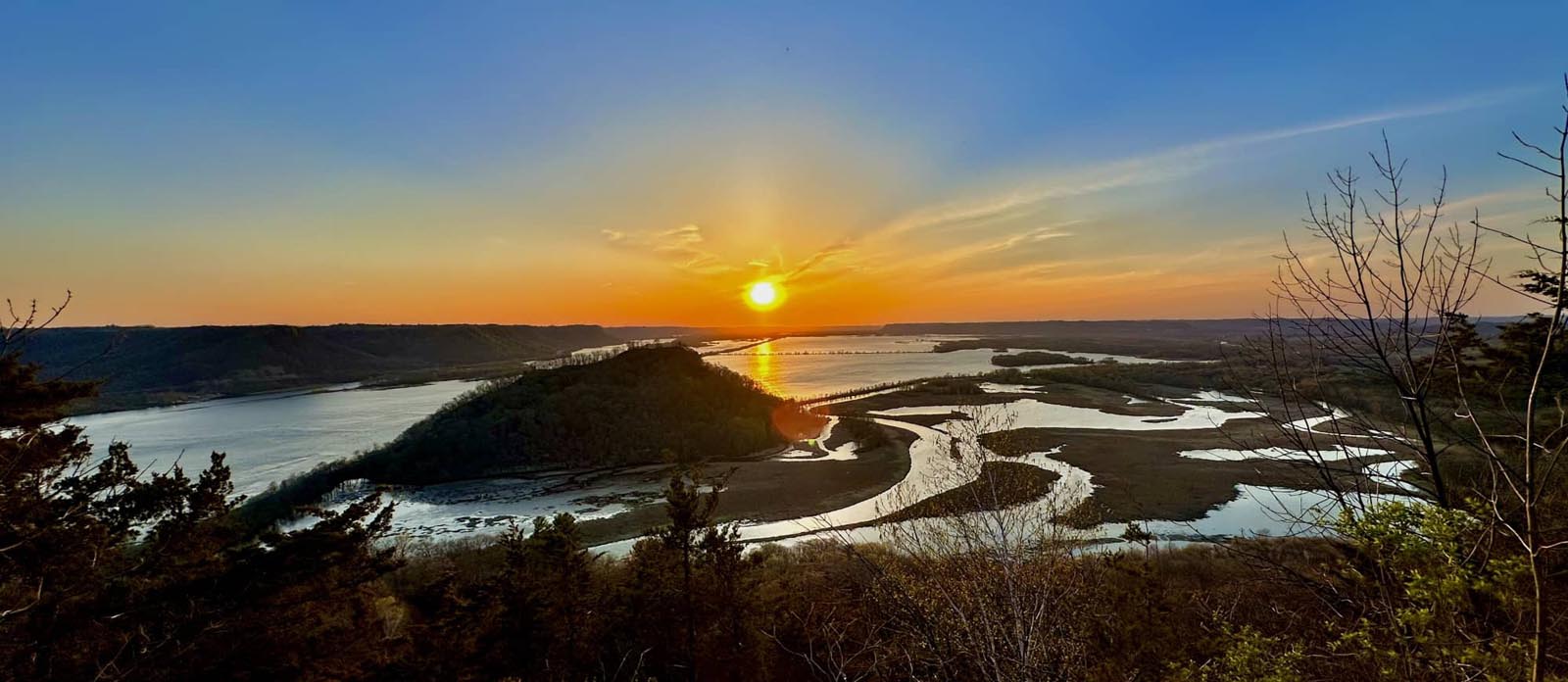
Susie Loechler offers an incredible view of the Mississippi River and the Great River Road from John A. Latsch State Park north of Winona, Minnesota.

Where to go camping on the Mississippi River

Monday, September 01, 2025

Planning a camping trip along the Mississippi River this year? Here’s a look at one can’t-miss campsite in each state along the Great River Road, from north to south.

Itasca State Park*, Minnesota

This state park—Minnesota’s oldest—is the starting point of both the Mississippi River and the Great River Road. Located about 20 miles north of Park Rapids in northern Minnesota, the 32,000-acre park includes more than 100 lakes, including Lake Itasca, the headwaters of the Mississippi River. It’s also home to nearly 50 miles of trails, historic cabins & lodges, the Jacob V. Brower Visitor Center, which is an official Great River Road Interpretive Center.

How many campsites are there? More than 200, including campgrounds and backcountry sites; cabins & lodges also available

Wyalusing State Park, Wisconsin

One of Wisconsin’s most scenic state parks, Wyalusing State Park sits at the confluence of the Mississippi and Wisconsin rivers and offers outstanding views from atop a 500-foot bluff that overlooks the Mississippi River and its backwaters. The park features group campsites and family campsites, as well as a group lodge, and visitors will enjoy hiking trails, fishing, boating, paddling, and other recreational activities.

How many campsites are there? 100+

Pikes Peak State Park, Iowa

From Wyalusing State Park, head west across the Mississippi River into Iowa and you’ll find Pikes Peak State Park, which also offers great camping, recreation, and scenic views. The park boasts 11 miles of trails and several overlooks where visitors can see the nearby town of McGregor and the confluence of the Mississippi and Wisconsin rivers.

How many campsites are there? 75+

Pere Marquette State Park, Illinois

A popular destination for hiking, fishing, and boating, Pere Marquette State Park is Illinois’ largest state park. The park is situated at the confluence of the Illinois and Mississippi rivers and features impressive views of the two waterways, as well as a scenic drive, more than a dozen miles of hiking trails, equestrian routes, and opportunities for rock climbing.

How many campsites are there? 80+; lodging is also available at the Pere Marquette Lodge

Mark Twain Cave Complex Campground, Missouri

Want to learn more about an American literary icon? Head to the city of Hannibal in northeastern Missouri (about a 2-hour drive north of St. Louis) to learn about the early life of native son Mark Twain and how his surroundings in this Mississippi River community shaped his work. One site featured prominently in The Adventures of Tom Sawyer is what’s now known as the Mark Twain Cave Complex, which features the famed cave, as well as a winery and a campsite with more than 100 sites, ranging from tent sites to deluxe RV sites.

How many campsites are there? More than 100; the Little House in the Hollow is also available to rent

Columbus-Belmont State Park*, Kentucky

This state park offers outstanding views of the Mississippi River and boasts an interesting history—a former fortification at the site was an important location along the river and saw Ulysses S. Grant’s first active engagement in the Civil War. The park also features a historical museum, a 2.5-mile hiking trail, miniature golf, a picnic area, and a playground.

How many campsites are there? 38

Reelfoot Lake State Park*, Tennessee

This lake in northwestern Tennessee has an amazing natural history: it’s a flooded cypress forest that was created during a series of earthquakes along the Mississippi River in the 1810s. Today, is a popular lake for fishing, birdwatching, and camping. The park’s nature center features educational exhibits about local wildlife and live raptors and other animals on display.

How many campsites are there? 100+; premium cabins are also available

Mississippi River State Park*, Arkansas

This popular state park in east-central Arkansas is a great way to get out on the Mississippi River and its backwaters via canoe or kayak, and anglers find good success in the park’s waters for largemouth bass, crappie, and channel catfish. Mississippi River State Park is also an excellent spot for birdwatching, as it’s part of the Audubon Great River Birding Trail.

How many campsites are there? 50+

Bob M. Dearing Natchez State Park, Mississippi

Located just east of the historic city of Natchez, this park covers 48,000 acres and is a good spot for fishing (it’s the site of the state’s record largemouth bass catch). The park is also home to a nine-hole disc golf course, a playground, a nature trail, picnic sites, and a pavilion.

How many campsites are there? 60+; vacation cabins are also available

Bayou Segnette State Park, Louisiana

Bayou Segnette State Park may not technically be on the Mississippi River—it takes about a 15-minute drive south of New Orleans to get there), it’s still a fantastic spot for outdoor recreation in southern Louisiana. Recreation options include saltwater and freshwater fishing, boating, paddling, and hiking, and the park also has a wave pool, a 3-mile nature trail and playgrounds.

How many campsites are there? Approximately 100; deluxe cabins are also available to rent


*denotes an Official Great River Road Interpretive Center


Photo: Mississippi River Overlook at Pikes Peak State Park, Iowa/Charles Fischer

Historical sites on the northern Great River Road

Friday, February 07, 2025

A trip along the Great River Road is a trip through the history of America. Here are some historical sites and museums you shouldn’t miss as you follow the Mississippi River through Minnesota, Wisconsin, Iowa, Illinois, and Missouri.

Historic Fort Snelling, Minnesota

Located near the confluence of the Mississippi and Minnesota rivers in St. Paul, Fort Snelling has been a place where people have gathered for centuries, from the original Dakota and Ojibwe inhabitants of the area to early fur traders to soldiers from the Civil War and World War II. The National Historic Landmark includes a museum & visitor center (open year-round), and guided tours of the historic fort are available.

Stonefield Historic Site, Wisconsin

This historic site in Cassville in southwestern Wisconsin (across the highway from Nelson Dewey State Park) highlights the state’s agricultural history with exhibits and historical artifacts, as well as more than 30 restored historic businesses that illustrate rural life at the turn of the 20th century. Stonefield is located on the former estate of Wisconsin’s first governor (the previously mentioned Nelson Dewey), and visitors can also tour his home to learn about how Wisconsin transitioned from territory to state. Stonefield is open seasonally from late May through September.

Motor Mill Historic Site, Iowa

Get a look at 19th-century industry at Motor Mill Historic Site near Elkader in northeast Iowa—the property features a six-story limestone flouring building and four related buildings dating to the 1860s.  The mill sits on the banks of the Turkey River, which flows into the Mississippi River to the east a few miles south of Guttenberg. Public tours of the mill are offered on Saturdays in the summer and early fall, and the site is also has facilities for camping, canoeing & kayaking, and hiking. 

Black Hawk State Historic Site, Illinois

This 200-acre park on Rock Island in northwestern Illinois highlights the cultural and natural resources of the Quad Cities, which span the Mississippi River in Illinois and Iowa. The site features several historic buildings, including the Watch Tower Lodge, the Hauberg Museum (which tells the story of the Sauk and Meskwaki people who inhabited the region), and the Refectory (home to a permanent exhibit on the Civilian Conservation Corps and their work at the site.)

Gateway Arch National Park, Missouri

The only National Park located on the Great River Road (there are several National Monuments and other National Park Service sites, however), Gateway Arch National Park is an iconic attraction that towers 600 feet over the Mississippi River in St. Louis. While the Arch itself is the star attraction, the park is also home to the Museum of Westward Expansion, which includes many unique artifacts, including items from the famed Lewis & Clark expedition.

(Photo: Gateway Arch National Park/Brittney Butler on Unsplash)

25 reasons to drive the Great River Road

Friday, January 10, 2025

It’s a new year, the perfect time for a new adventure on the Great River Road. This All-American Road follows the Mississippi River for nearly 3,000 miles through 10 states and offers everything you need in a road trip, from amazing scenery to engaging history to delicious cuisine. Here are some reasons why you should hit the Great River Road this year.

  1. Nearly 3,000 miles of road that passes through 10 states’ worth of history, culture, food and beautiful scenery
  2. A chance to visit charming river towns and big cities
  3. The Great River Road has been named an All-American Road, a distinct honor from the Federal Highway Administration that acknowledges the road’s significance and one-of-a-kind attractions
  4. A network of nearly 100 Interpretive Centers—museums, historical sites & more that tell the story of the river (learn more about our Interpretive Centers)
  5. Stunning scenery all along the drive
  6. See the headwaters of the Mississippi River at Itasca State Park in Minnesota, where the Mississippi is so narrow you can walk across it
  7. Exciting opportunities for spring recreation
  8. Great music sites like the Delta Blues Museum in Mississippi, Beale Street and Graceland in Memphis and New Orleans’ Frenchman Street
  9. National Park sites: Gateway Arch National Park (Missouri); Mississippi National River and Recreation Area (Minnesota); Effigy Mounds National Monument (Iowa); Arkansas Post National Memorial; Natchez National Historic Park (Mississippi) and more
  10. Chances to get out on the water all along the Great River Road
  11. Head out in September to celebrate Drive the Great River Road Month, one of the best times of the year to make the drive
  12. Incredible local parks and scenic overlooks
  13. Fun annual events on the northern and southern sections of the Great River Road
  14. Can’t-miss history museums like the Mill City Museum in Minneapolis, The Cabildo in New Orleans and the National Civil Rights Museum in Memphis
  15. Local flavors at restaurants, farmers’ markets and more—see some of our fans’ favorites here
  16. Great birdwatching—more than 300 species of birds make their migratory round trip every year via the Mississippi River Flyway
  17. Impressive civil engineering at the more than two dozen locks and dams on the Upper Mississippi River
  18. Hidden gems like Arkansas’s World’s Championship Duck Calling Contest & Wings Over the Prairie Festival in Stuttgart and Mike the Tiger—a real-live tiger that lives on the campus of Louisiana State University in Baton Rouge (see more hidden gems here and here)
  19. River cruises—you can find daylong excursions on the backwaters or weekslong cruises on the northern and southern sections of the river
  20. Amazing opportunities to see fall color
  21. UNESCO World Heritage Sites at Cahokia Mounds (Illinois) and Poverty Point (Louisiana)
  22. Opportunities for outdoor recreation all along the route
  23. Great places to learn about the river region’s natural history, like the National Eagle Center and the National Mississippi River Museum & Aquarium
  24. Tasty wineries and breweries all along the route
  25. Unique shops where you’ll find the perfect gift (or something to take home for yourself!)

That’s just scratching the surface of what you can see along the Great River Road—plan your getaway today and find your own reasons to take America’s greatest drive.

(Photo: Arkansas Parks, Heritage & Tourism)

Why you should plan a Great River Road trip next year

Monday, November 25, 2024

Looking for a one-of-a-kind American adventure? Plan a road trip along the Great River Road, which follows the mighty Mississippi River for nearly 3,000 miles. The 10-state route offers a little bit of everything, from engaging historical sites to stunning scenery to delicious dining—here are four reasons to plan your road trip today.

It’s America’s greatest drive.

The Great River Road, which stretches from Lake Itasca in northern Minnesota to the Gulf of Mexico in Louisiana, is a National Scenic Byway and an All-American Road, a designation given to only the most notable National Scenic Byways. All-American Roads offer a truly unique experience to travelers that they can’t find anywhere else.

The Great River Road was established in 1938 and has encouraged road trippers to discover the heart of America ever since. The Great River Road passes through big cities and small river towns, passing National Park Service sites, state parks, historic bridges, and locks & dams.

Taking the whole road in one trip is about 36 hours of driving, but most visitors spend 10 to 14 days if they’re doing the whole route (which isn’t mandatory—many travelers will just travel on one state’s section of the Great River Road or hope back and forth between neighboring states.

Learn more about the best drive in America.

There are lots of stunning sights along the way.

A trip along the Great River Road is a trip through some of America’s most beautiful scenery. Start your trip at the same place the Mississippi River does: Itasca State Park in northern Minnesota, where the river is so narrow you can walk across it (or roll up your pants and wade across in the summer).

The northern section of the road—especially Minnesota, Wisconsin, Iowa, and Illinois—are home to lots of scenic overlooks at state and local parks that offer outstanding views of the river and the surrounding scenery. Get your cameras ready and head to photo hotspots like Garvin Heights Park in Winona, Minnesota; Buena Vista Park in Alma, Wisconsin; Pike’s Peak State Park in McGregor, Iowa; or Aerie’s Resort in Grafton, Illinois, where you can take a chair lift or gondola from the river to the blufftops.

See more scenic spots on the Great River Road here and here.

You’ll learn a lot at our Interpretive Centers.

There are nearly 100 official Great River Road Interpretive Centers—museums, historical sites, and other attractions that tell the story of the river and its people. Interpretive Centers can be found up and down the Great River Road and cover everything from music history (the Delta Blues Museum in Clarksdale, Mississippi) to Mississippi River ecology (the National Mississippi River Museum & Aquarium in Dubuque, Iowa) to some of the region’s earliest settlers (Cahokia Mounds State Historical Site in Collinsville, Illinois, and Poverty Point in Pioneer, Louisiana, both of which are UNESCO World Heritage Sites.)

Learn more about our Interpretive Centers.

You don’t want to miss the food.

From walleye in Minnesota to cheese curds in Wisconsin to catfish in Mississippi to… well, almost everything in New Orleans, the Great River Road’s outstanding local and regional cuisines are enough to fulfill almost any appetite. Diners will find a little bit of everything, from James Beard Award-winning restaurants to family-owned roadside stops that have been in business for generations.

And that’s not to mention the ice cream stands, sweets shops, and bakeries you’ll find all along the route, as well as the wineries, breweries, and distilleries that craft some of your favorite beverages with care.

Learn more about the flavors of the Great River Road.

Photo: Confluence of the Yazoo and Mississippi Rivers in Vicksburg, Mississippi/Lola McCrarey

All about our Interpretive Centers

Friday, November 01, 2024

Up and down the Great River Road, you’ll find special spots where you can learn about the history, culture, and natural wonders of the Mississippi River region. Here’s what you need to know about the Great River Road’s official network of Interpretive Centers.

What is an Interpretive Center?

The Great River Road’s Interpretive Centers include a wide variety of attractions, including museums, historical sites, state and national parks, and even UNESCO World Heritage Sites. These Interpretive Centers can be found in big cities and small towns all along the Mississippi River and tell the story of the river, its people, and the events—geological and otherwise—that have shaped life and culture here over the centuries. 

How many Interpretive Centers are there on the Great River Road?

The Great River Road’s official network of Interpretive Centers features nearly 100 sites across our 10-state region. Iowa’s stretch of the Great River Road has the most Interpretive Centers with 18, followed by Arkansas with 15.

Here’s how many Interpretive Centers you can find in each of the Great River Road states:

  • Iowa: 17
  • Arkansas:15
  • Minnesota: 13
  • Louisiana, Mississippi: 9
  • Illinois: 8
  • Missouri, Wisconsin: 7 each
  • Tennessee: 3
  • Kentucky: 2

See a full list of Interpretive Centers by state here.

All the Great River Road Interpretive Centers are also included on our free 10-state map.

What kinds of things can I learn about at the Interpretive Centers?

The Great River Road’s Interpretive Centers educate visitors about a wide range of topics, from natural history to the Civil War and everything in between. Here’s a little taste of what you’ll discover:

The Mississippi River & more: Visit the headwaters of the Mississippi River and learn about the area’s ecology and history at the Jacob V. Brower Visitor Center at Itasca State Park. Further south along the river in Minneapolis, the National Park Service’s Mississippi River Visitor Center in St. Paul has exhibits about the river and its related recreational offerings. The National Mississippi River Museum & Aquarium in Dubuque, Iowa, is home to dozens of species of fish and other animals that call the river home. 

History: See remnants from ancient Mississippi River cultures at Cahokia Mounds Historical Site in Illinois and Poverty Point in Louisiana, both of which are UNESCO World Heritage Sites. Military history buffs can visit Vicksburg National Military Park in Mississippi and Columbus-Belmont State Park in Kentucky to see two important sites from the Civil War. Learn about the life of America’s most famous author at the Mark Twain Boyhood Home and Museum in Hannibal, Missouri.

Music: The Delta Blues Museum in Clarksdale, Mississippi, is a must-visit for any music lover—visitors can see Muddy Waters’ sharecropper home, instruments played by blues legends like B.B. King and John Lee Hooker, and much more. Learn about the early life of country music legend Johnny Cash at the History Dyess Colony and Johnny Cash Boyhood Home in the Arkansas Delta.

Are there other attractions along the Great River Road?

Yes! The Great River Road is home to lots of interesting places to stop, including scenic overlooks and locks & dams. See a state-by-state list here.

Photo: Arkansas Department of Parks, Heritage & Tourism