Don’t miss these river towns and cities on the northern Great River Road

Monday, February 09, 2026

Whether you’re traveling to the headwaters of the Mississippi River or exploring charming towns farther south along the route, there are lots of great places to visit on the northern Great River Road. Here’s where to stop in Minnesota, Wisconsin, Illinois, Iowa, and Missouri.

Learn more about the northern Great River Road here.

Bemidji, Minnesota

Bemidji is known as “the first city on the Mississippi,” but oddly enough it lies north of the river’s headwaters in Lake Itasca in northern Minnesota—that’s because the Mississippi River briefly flows north changing direction and heading on its 2,400-mile journey to the Gulf. Outdoors lovers will find plenty to explore in Bemidji, including more than 400 lakes, the Mississippi River, and hundreds of miles of trails for hiking, biking, and winter sports. Don’t forget to snap a photo with Paul Bunyan and Babe the Blue Ox on the shores of Lake Bemidji!

Find more Bemidji visitor information.

Stockholm, Wisconsin

This tiny village—there are less than full-time 100 residents here—embraces its Swedish heritage and has attracted artists and crafters throughout the years, making it a great place to discover local and regional art and handcrafted goods. Stockholm sits on the shores of Lake Pepin toward the northern end of Wisconsin’s Great River Road, making it a great spot to get on the Mississippi River and its backwaters, and it’s also home to the Stockholm Pie Company, which was named the Best Pie Shop in America by USA Today.

Find more Stockholm visitor information.

Quad Cities, Iowa & Illinois

There are actually more than four cities in the Quad Cities (the major ones are Davenport and Bettendorf on the Iowa side of the Mississippi River and Moline, East Moline, and Rock Island on the Illinois side), but that just means there’s more to explore throughout the entire region. Top attractions include the John Deere Pavilion in Moline, where visitors can learn about the agricultural giant, the Figge Art Museum in Davenport, and the Rock Island Arsenal.

Find more Quad Cities visitor information.

Ste. Genevieve, Missouri

It’s a great year to explore America’s history, and what better place to start than a city that dates back nearly three centuries? Located about an hour’s drive south of St. Louis, Ste. Genevieve was founded sometime before 1750 Ste. Genevieve (located in southeastern Missouri about an hour’s drive south of St. Louis) obviously has a rich history and visitors can enjoy unique sites like the Ste. Genevieve National Historical Park, which preserves the area’s French History, as well as several state historic sites.

Find more Ste. Genevieve visitor information.

(Photo: John Deere Pavilion in Moline, Illinois/Illinois Office of Tourism)

Museums to visit on the northern Great River Road

Monday, December 22, 2025

If you’re following the Mississippi River through the northern states of the Great River Road—Minnesota, Wisconsin, Iowa, Illinois, and Missouri—you’ll find lots of engaging museums that share the history of the river and its people. Here are a few to check out on your next trip.

Find more Great River Road Interpretive Centers here.

Jacob V. Brower Visitor Center at Itasca State Park, Minnesota

Itasca State Park is not only Minnesota’s oldest state park, it’s also the home to the headwaters of the Mississippi River, which flows out of Lake Itasca on the river’s 2,500-mile journey to the Gulf. Named for the “Father of Itasca State Park,” the Jacob V. Brower Visitor Center educates park visitors about the history of the park, its environment (including plants, trees, and wildlife), and recreational opportunities at the park.

Potosi Brewing Company, Wisconsin

The Potosi Brewing Company was founded in 1852 in southwestern Wisconsin—just about a mile from the Mississippi River—and brewed tasty ales and lagers for more than century before closing shop in the 1970s. The brewery was re-founded on its original site in 2008, and the site is now home to the award-winning Potosi Brewery, the Transportation Museum (which shares the history of how Potosi’s tasty drinks were delivered by wagons, steamboats, railroads, and cars), and the National Brewery Museum (which showcases a large collection of beer bottles, cans, glasses, advertising materials, and other collectibles).

National Great Rivers Museum, Illinois

Located next to the Melvin Price Locks & Dam (of the largest locks and dam on the Mississippi River), the National Great Rivers Museum in Alton tells the full story of America’s most famous river with interactive exhibits, highlighting the Mississippi’s natural environment, how people have interacted with the river through the centuries, and the impact the river has had on the history of the country. Visitors can also explore the Melvin Price Locks & Dam—free tours are open to the public at 10am, 1pm, and 3pm daily.

National Mississippi River Museum & Aquarium, Iowa

This Smithsonian-affiliated museum and aquarium in Dubuque in northeastern Iowa is home to more than 200 species of animals, including ducks, turtles, river otters, an alligator, and dozens of species of fish. The 14-acre site also includes a 19th-century belt-driven machine shop, the William M. Black dredge boat, artifacts from indigenous civilizations, and a large-format 4-D theater.

Mark Twain Boyhood Home & Museum, Missouri

See the town that inspired America’s most famous author. The Mark Twain Boyhood Home & Museum is in Hannibal in northeastern Missouri, about two hours north of St. Louis, and boasts an impressive collection of exhibits, including original Norman Rockwell paintings, family artifacts, and Twain memorabilia. The tour includes two museums and five historic properties, including the Mark Twain Boyhood Home, which is a National Historic Landmark.

(Photo: Mark Twain Boyhood Home in Hannibal, Missouri/Doug Black)

4 museums to visit on the southern Great River Road

Thursday, December 04, 2025

If you’re traveling along the southern Mississippi River, there are lots of interesting attractions to visit, whether you’re interested in music history, stories of life on the river, or unique hands-on educational experiences. Here are four museums you should visit on your next Great River Road trip.

Find more Great River Road Interpretive Centers here.

Delta Blues Museum, Mississippi

Blues lovers shouldn’t miss the place where this uniquely American genre of music was born: Mississippi’s Delta region. Clarksdale, located about 75 miles south of Memphis, is home to the Delta Blues Museum, which features exhibits and artifacts that tell the story of blues music and its legends, from Muddy Waters and Son House to Robert Johns and Howlin’ Wolf.

Discovery Park of America, Tennessee

This state-of-the-art 100,000-square-foot museum in Union City in northwestern Tennessee boasts a bevy of interesting exhibits across 10 galleries, with interactive displays on everything from local Native American cultures to outer space to natural history. The facility is also home to a 50-acre outdoor heritage park that features a manmade river, waterfalls, bridges, and other scenic features.

The Louisiana Great River Road Interpretive Center and Museum

Located on the grounds of the historic Houmas House Estate and Gardens outside of New Orleans, the Great River Road Interpretive Center and Museum shares the story of the lower Mississippi River with visitors, highlighting the waterway’s effects on transportation, commerce, music, and river life. The 35,000-square-foot museum is designed to resemble a Mississippi River steamboat, and visitors can also look out on the Mighty Mississippi at an overlook that’s reached via a pedestrian bridge over the Great River Road.

Delta Cultural Center, Arkansas

Learn about the people, industry, and history of the Arkansas Delta at this museum complex in Helena, which is about a 70-mile drive south of Memphis on the Arkansas side of the river. The center’s Depot building—a renovated 1912 railroad station—features several permanent exhibits that educate visitors about the history and geography of the Delta. The Cherry Street Pavilion outside the Depot is the site of annual King Biscuit Blues Festival.

Photo: Discovery Park of America

Congratulations to our Great River Road Photo Contest winner!

Friday, October 10, 2025

Our fans sent in some amazing photos for our recent Drive the Great River Road Month Photo Contest—scroll down to see the impressive work of our finalists and our grand-prize winner.

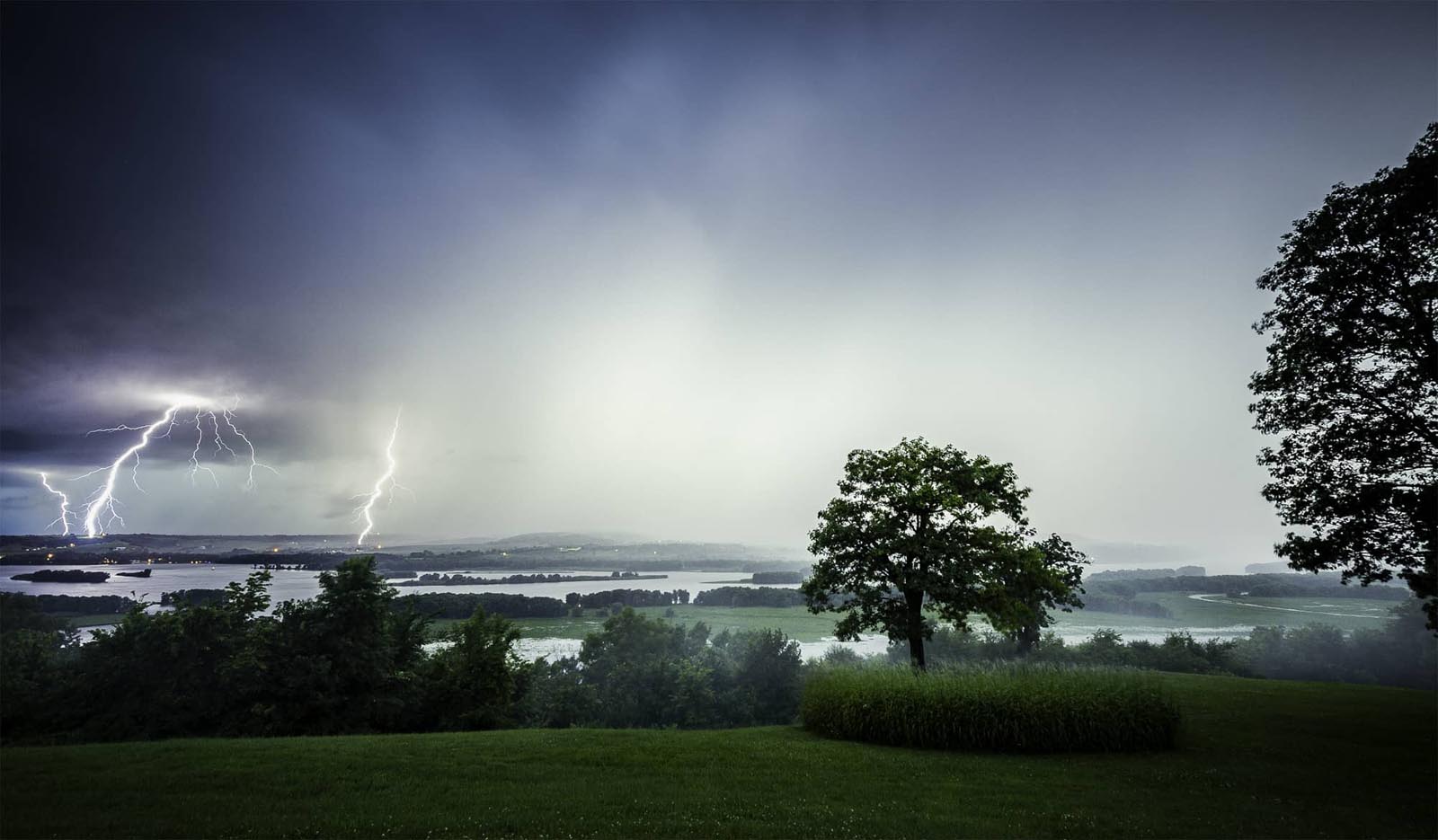
Grand-prize winner: Henry Matthiessen III


This stunning photo—taken at Chestnut Mountain Resort in Galena in northwestern Illinois—captures a storm passing over the Mississippi River.

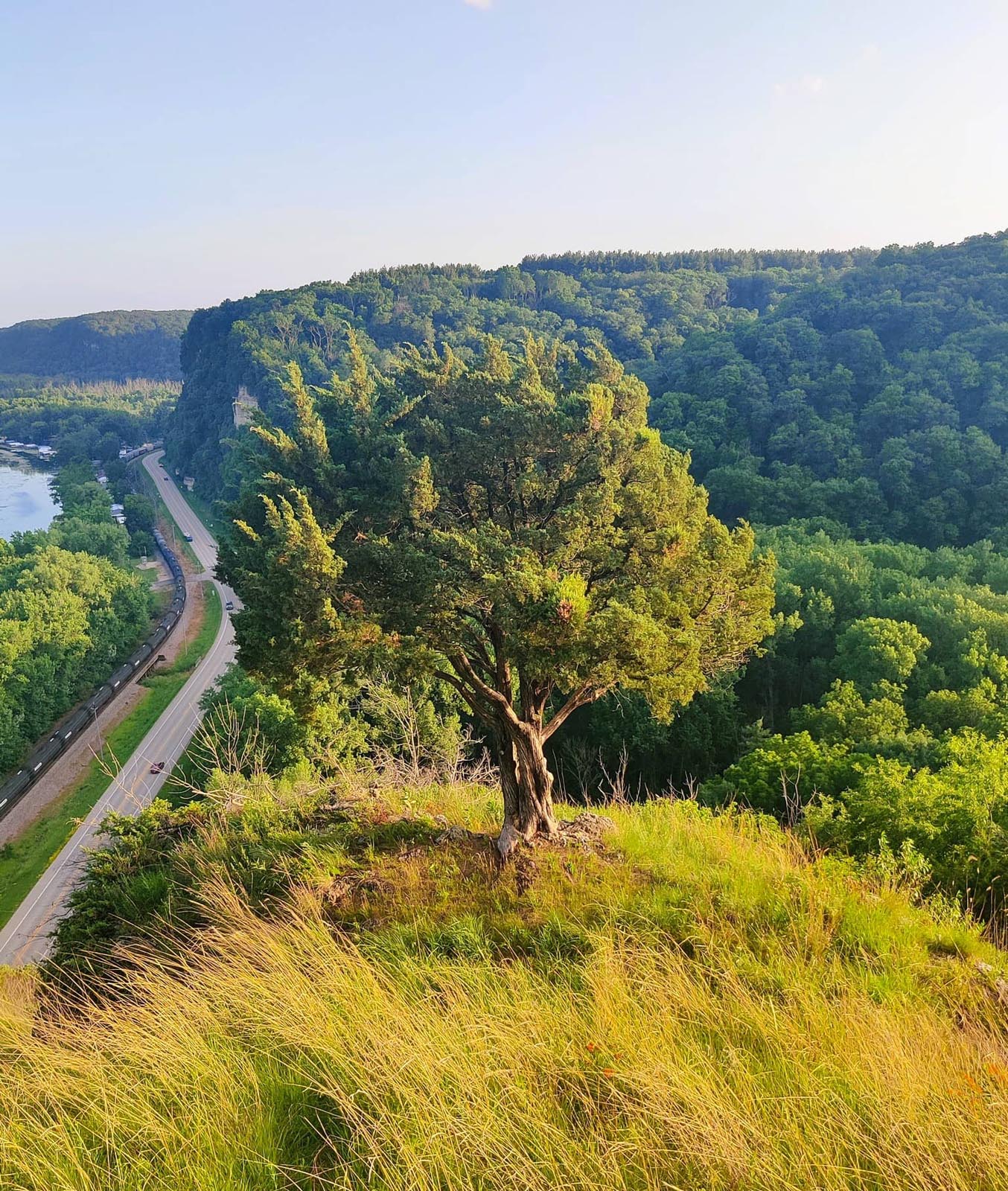
Finalist: Brad Taylor


Brad Taylor captures the scene at the Yellow River State Forest, a beautiful spot for hiking, camping, and more in Iowa’s Driftless Region near Harpers Ferry.

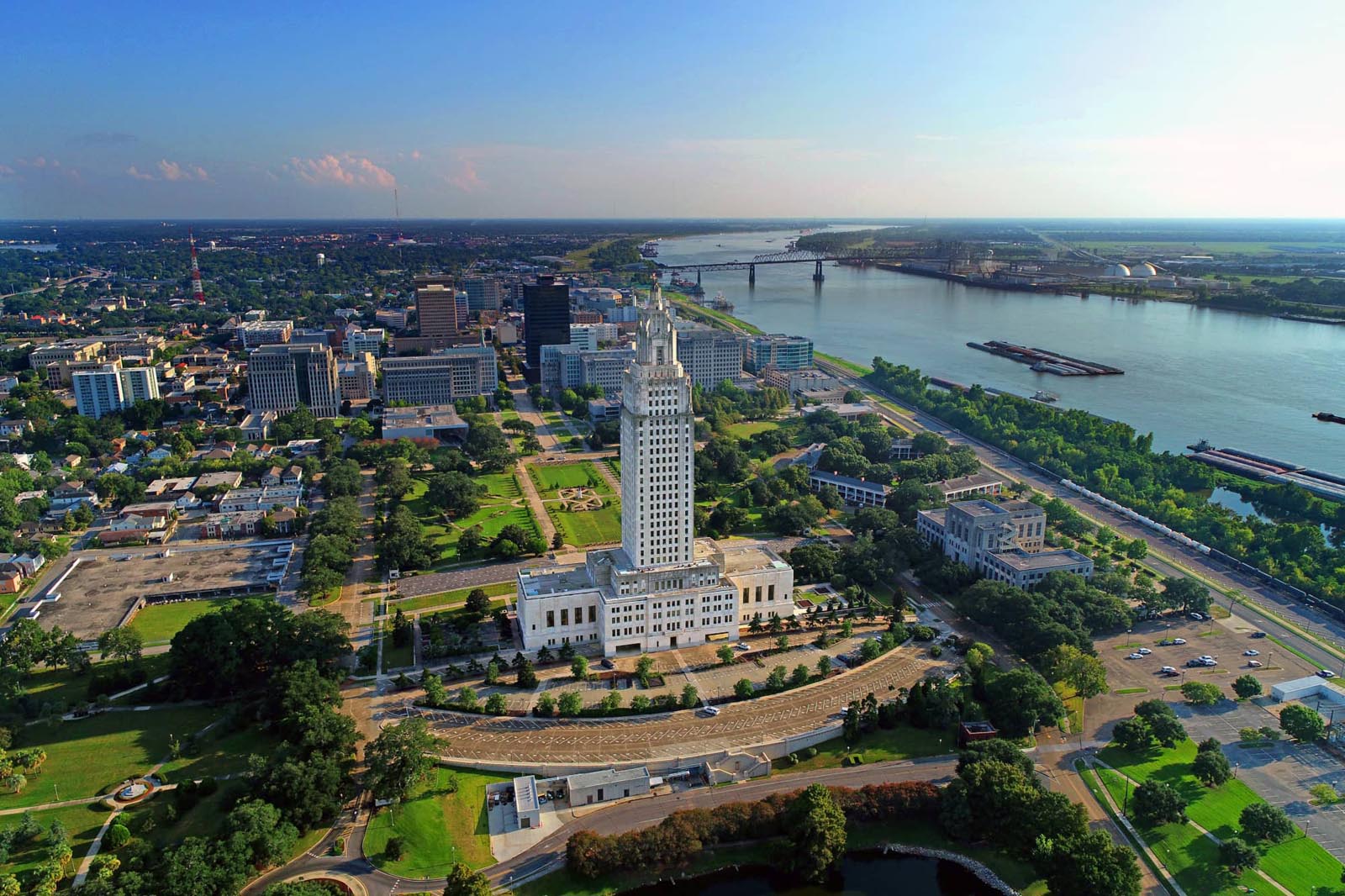
Finalist: Dennis Macdonald


Dennis Macdonald’s impressive drone photo takes a bird’s eye look at the Louisiana State Capitol in Baton Rouge (fun fact: it’s the tallest Capitol building in the nation).

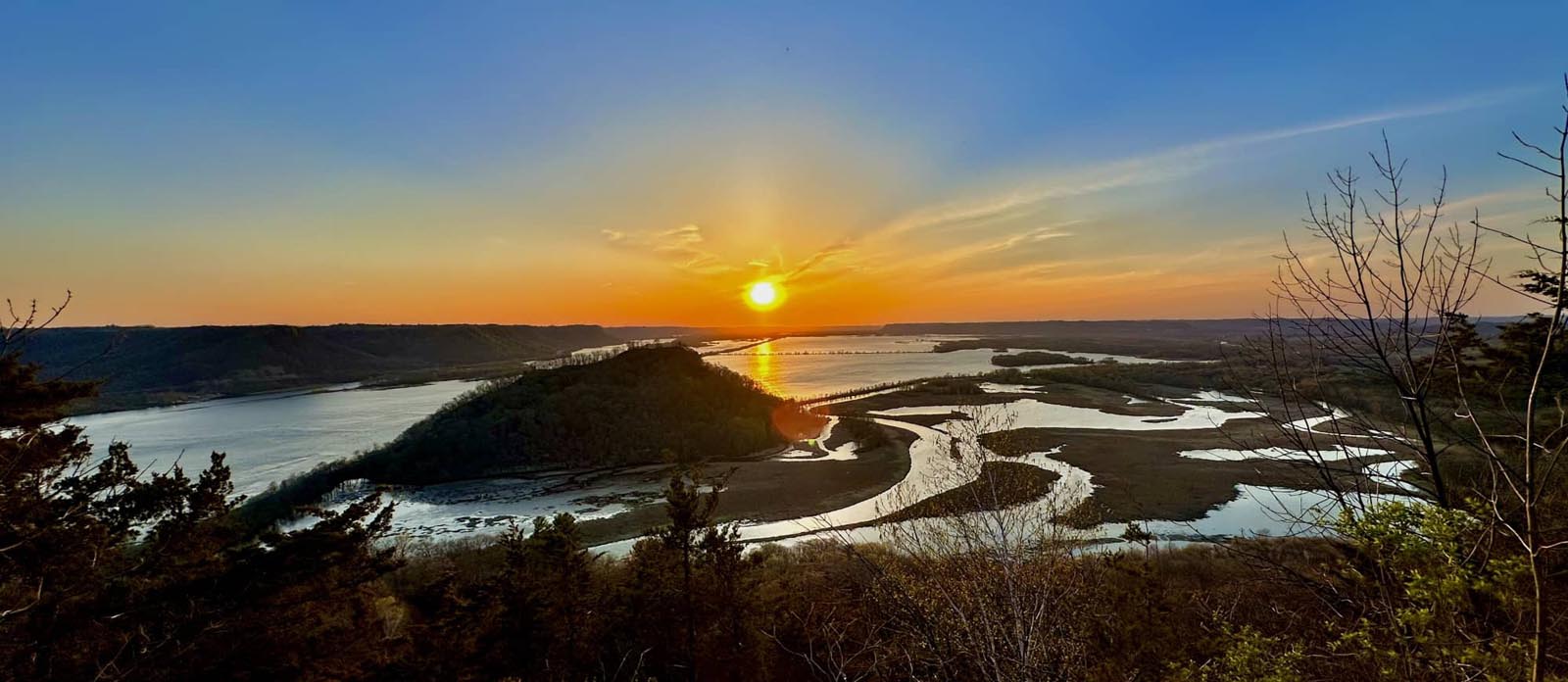
Finalist: Jeff Winkler


Jeff Winkler’s awe-inspiring panorama highlights Brady’s Bluff, an iconic natural attraction at Perrot State Park near Trempealeau along the Wisconsin Great River Road.

Finalist: Susie Loechler


Susie Loechler offers an incredible view of the Mississippi River and the Great River Road from John A. Latsch State Park north of Winona, Minnesota.

Where to go camping on the Mississippi River

Monday, September 01, 2025

Planning a camping trip along the Mississippi River this year? Here’s a look at one can’t-miss campsite in each state along the Great River Road, from north to south.

Itasca State Park*, Minnesota

This state park—Minnesota’s oldest—is the starting point of both the Mississippi River and the Great River Road. Located about 20 miles north of Park Rapids in northern Minnesota, the 32,000-acre park includes more than 100 lakes, including Lake Itasca, the headwaters of the Mississippi River. It’s also home to nearly 50 miles of trails, historic cabins & lodges, the Jacob V. Brower Visitor Center, which is an official Great River Road Interpretive Center.

How many campsites are there? More than 200, including campgrounds and backcountry sites; cabins & lodges also available

Wyalusing State Park, Wisconsin

One of Wisconsin’s most scenic state parks, Wyalusing State Park sits at the confluence of the Mississippi and Wisconsin rivers and offers outstanding views from atop a 500-foot bluff that overlooks the Mississippi River and its backwaters. The park features group campsites and family campsites, as well as a group lodge, and visitors will enjoy hiking trails, fishing, boating, paddling, and other recreational activities.

How many campsites are there? 100+

Pikes Peak State Park, Iowa

From Wyalusing State Park, head west across the Mississippi River into Iowa and you’ll find Pikes Peak State Park, which also offers great camping, recreation, and scenic views. The park boasts 11 miles of trails and several overlooks where visitors can see the nearby town of McGregor and the confluence of the Mississippi and Wisconsin rivers.

How many campsites are there? 75+

Pere Marquette State Park, Illinois

A popular destination for hiking, fishing, and boating, Pere Marquette State Park is Illinois’ largest state park. The park is situated at the confluence of the Illinois and Mississippi rivers and features impressive views of the two waterways, as well as a scenic drive, more than a dozen miles of hiking trails, equestrian routes, and opportunities for rock climbing.

How many campsites are there? 80+; lodging is also available at the Pere Marquette Lodge

Mark Twain Cave Complex Campground, Missouri

Want to learn more about an American literary icon? Head to the city of Hannibal in northeastern Missouri (about a 2-hour drive north of St. Louis) to learn about the early life of native son Mark Twain and how his surroundings in this Mississippi River community shaped his work. One site featured prominently in The Adventures of Tom Sawyer is what’s now known as the Mark Twain Cave Complex, which features the famed cave, as well as a winery and a campsite with more than 100 sites, ranging from tent sites to deluxe RV sites.

How many campsites are there? More than 100; the Little House in the Hollow is also available to rent

Columbus-Belmont State Park*, Kentucky

This state park offers outstanding views of the Mississippi River and boasts an interesting history—a former fortification at the site was an important location along the river and saw Ulysses S. Grant’s first active engagement in the Civil War. The park also features a historical museum, a 2.5-mile hiking trail, miniature golf, a picnic area, and a playground.

How many campsites are there? 38

Reelfoot Lake State Park*, Tennessee

This lake in northwestern Tennessee has an amazing natural history: it’s a flooded cypress forest that was created during a series of earthquakes along the Mississippi River in the 1810s. Today, is a popular lake for fishing, birdwatching, and camping. The park’s nature center features educational exhibits about local wildlife and live raptors and other animals on display.

How many campsites are there? 100+; premium cabins are also available

Mississippi River State Park*, Arkansas

This popular state park in east-central Arkansas is a great way to get out on the Mississippi River and its backwaters via canoe or kayak, and anglers find good success in the park’s waters for largemouth bass, crappie, and channel catfish. Mississippi River State Park is also an excellent spot for birdwatching, as it’s part of the Audubon Great River Birding Trail.

How many campsites are there? 50+

Bob M. Dearing Natchez State Park, Mississippi

Located just east of the historic city of Natchez, this park covers 48,000 acres and is a good spot for fishing (it’s the site of the state’s record largemouth bass catch). The park is also home to a nine-hole disc golf course, a playground, a nature trail, picnic sites, and a pavilion.

How many campsites are there? 60+; vacation cabins are also available

Bayou Segnette State Park, Louisiana

Bayou Segnette State Park may not technically be on the Mississippi River—it takes about a 15-minute drive south of New Orleans to get there), it’s still a fantastic spot for outdoor recreation in southern Louisiana. Recreation options include saltwater and freshwater fishing, boating, paddling, and hiking, and the park also has a wave pool, a 3-mile nature trail and playgrounds.

How many campsites are there? Approximately 100; deluxe cabins are also available to rent


*denotes an Official Great River Road Interpretive Center


Photo: Mississippi River Overlook at Pikes Peak State Park, Iowa/Charles Fischer

How to cool down along the Great River Road

Thursday, July 17, 2025

Summer heat got you beat? Don’t worry: there are plenty of ways to keep cool along the Great River Road when the weather’s warm, from waterparks and beaches to canoeing and kayaking on the Mighty Mississippi itself. Here’s a closer look.

Waterparks & other attractions

Located in Grafton, Illinois—just a short drive from St. Louis—Raging Rivers Water Park covers 24 acres and boasts multiple waterslides, a 700-foot-long lazy river, an 18,000-square-foot wave pool, and an interactive play area. 

Those looking to beat the heat in Memphis can head to Shelby Farms Park—a 4,500-acre natural area in the eastern part of the city—to find the Water Play Sprayground, a 4,000-square-foot play area that’s perfect for kids and features a water tunnel, interactive jets, geyser boulders, and more. There are also more than 20 bodies of water to explore in the park itself.

Parks, lakes & beaches

While you’ll obviously see the mighty Mississippi River (and other rivers that flow into it) as you cruise the Great River Road, the region is also home to some notable lakes that are great places to explore on a summer day. One must-see stop is Itasca State Park in far northern Minnesota, where you can walk across (or wade into) the headwaters of the Mississippi River at Lake Itasca. 

Wyalusing State Park is one of western Wisconsin’s most scenic sites, offering stunning views of the Mississippi River from the towering limestone bluffs, but head just a few minutes south and you’ll find a popular public beach along the river in the town of Wyalusing.

Head to Deep Lakes Park—a former sand and gravel pit site that now boasts more than 120 acres of water for boating and other watersports—in Muscatine, Iowa, to find a large swimming beach on the shores of Lake Chester.

Located in northeastern Arkansas, Mississippi River State Park is home to stunning Delta scenery and lots of opportunities for fun on the water, including canoeing, kayaking, and fishing, as well as two swimming beaches on Bear Creek Lake and Storm Creek Lake.

Canoeing & kayaking

Want to get out on the Mississippi River itself? Quapaw Canoe Company has locations in Clarksdale and Vicksburg in Mississippi and offers guided canoe adventures along the Lower Mississippi River, including day trips (where you can have a picnic lunch on a sandbar in the river), multi-day camping trips, and more.

New Orleans Kayak Swamp Tours offers—what else?—guided kayak tours of New Orleans and its surrounding waterways, including the Bayou Sauvage National Wildlife Refuge, Manchac Swamp, and the Pearl River Wildlife Management Area.

Photo: Kayaking in Mississippi River State Park in Marianna, Arkansas/Arkansas Department of Parks, Heritage & Tourism

Celebrate Pollinator Week along the Great River Road

Wednesday, May 28, 2025

National Pollinator Week, held every year the third full week of June, is a celebration of the pollinators—birds, insects, and other animals—that are vital to the health of the Mississippi River region’s farmlands, forests, and other habitats.

The Great River Road recognizes the importance of pollinators on the ecological health of our region. Here’s some more information about pollinators and what you can do to help them in your own backyard:

What are pollinators?

Pollinators are animals that pollinate plants by transferring pollen from one plant to another. Examples include birds, bats, bees, insects, and some small mammals.

What kind of plants are helped by pollinators?

Pollinators bring us the plants that:

  • Produce fruits, vegetables, and nuts
  • Are responsible for half the world’s oils, fibers, and raw materials
  • Prevent soil erosion
  • Increase carbon sequestration

What can I do to help pollinators and celebrate Pollinator Week?

  • Attend a Pollinator Week event (see listings by state here)
  • Build a native bee house
  • Plant a pollinator habitat (see guides here)
  • Populate your garden with native plants

Where can I learn more about Pollinator Week?

Find more information about Pollinator Week here.

(Photo: Jenna Lee/Unsplash)

The Great River Road named Best Scenic Drive in America

Wednesday, May 14, 2025

Photo Credit: Adam Alexander/Courtesy of the Illinois Office of Tourism

Thank you, Great River Road fans: thanks to your support, the Great River Road has been selected as the Best Scenic Drive in America in the 2025 USA Today 10Best Readers’ Choice Awards!

A panel of travel experts nominated 20 routes for the Best Scenic Drive distinction, including the Great River Road as well as other highways and byways like the Natchez Trace Parkway (which starts in Natchez, Mississippi—one of the cities on the Great River Road), the Blue Ridge Parkway, Route 66, and the Pacific Coast Highway.

Online voting ran from April 7 through May 5, and thanks to an incredible effort from our fans, the Great River Road took the top spot!

See the top 10 winners here.

Summer is a great time to explore the scenic beauty of the Great River Road, which follows the Mississippi River through 10 states from Minnesota to Louisiana. 

Need some trip inspiration? Check out these articles to learn more about where to go and what to see along the Great River Road?

You can also follow the Great River Road on Facebook and Instagram.

Vote for the Great River Road as Best Scenic Drive!

Monday, April 07, 2025

We’re thrilled to announce that the Great River Road has been selected as a nominee for Best Scenic Drive in the USA Today 10Best Readers’ Choice Awards for 2025.

Voting runs through 11am CT Monday, May 5—show your support for the Great River Road by registering and voting here (you can vote once a day during the voting period).

The top 10 winners will be announced later in May.

In the meantime, here’s a closer look at just few things that make the Great River Road one of America’s best drives:

You can also follow the Great River Road on Facebook and Instagram.

Historical sites on the southern Great River Road

Monday, March 10, 2025

A trip along the Great River Road is a trip through the history of America. Here are some historical sites and museums you shouldn’t miss as you follow the Mississippi River through Kentucky, Tennessee, Arkansas, Mississippi, and Louisiana. 

Wickliffe Mounds State Historic Site, Kentucky

At this archaeological site located on a bluff overlooking the Mississippi River in southwestern Kentucky, visitors can learn about life at a former Native American village dating to 1100-1350AD. Visitors can tour the earthen mounds and explore a museum with artifacts from the village that illustrate how these early inhabitants used the river’s resources.

Chucalissa and the C.H. Nash Museum, Tennessee

Another site connected to the river’s Native American heritage can be found just south of Memphis along the Mississippi River in Tennessee. Chucalissa, administered by the University of Memphis, is an archaeological site that was part of the Mississippian culture and was occupied, abandoned, and reoccupied several times between 1000 and 1500AD. The C.H. Nash Museum has an extensive collection of artifacts from the Chucalissa site and includes a large outdoor archaeological display.

Sultana Disaster Museum, Arkansas

Did you know that the country’s worst maritime disaster took place on the Mississippi River? The Sultana, a Civil War-era steamboat, exploded in April 1865, claiming more than 1,200 lives. Uncover the history of what happened that night at this engaging museum in downtown Marion, just a short drive across the river from Memphis.

Delta Blues Museum, Clarksdale

It wouldn’t be a trip through the Mississippi Delta without a little blues history, and Clarksdale’s Delta Blues Museum is a great place to go for people who want to learn more about this uniquely American art form. The Delta Blues Museum contains a plethora unique exhibits, including the sharecropper home where Muddy Waters lived, instruments played by greats like B.B. King and Big Mama Thornton, and the sign from the juke joint where Robert Johnson played his final gig. (When you’re done exploring the museum, check out some live music in town—Clarksdale has live blues music 365 days a year!) 

Poverty Point UNESCO World Heritage Site, Louisiana

One of two UNESCO World Heritage Sites on the Great River Road (the other is at Cahokia Mounds in Illinois), the 400-acre Poverty Point site preserves a complex array of earthworks that dates as far back as 1700BC. While much of the purpose of the site remains a mystery (it is believed that the mounds and ridges were home sites), it’s still an impressive attraction that welcomes visitors daily. 

Find more Interpretive Centers on the Great River Road here.

Photo: Sultana Disaster Museum/Arkansas Department of Parks, Heritage & Tourism